
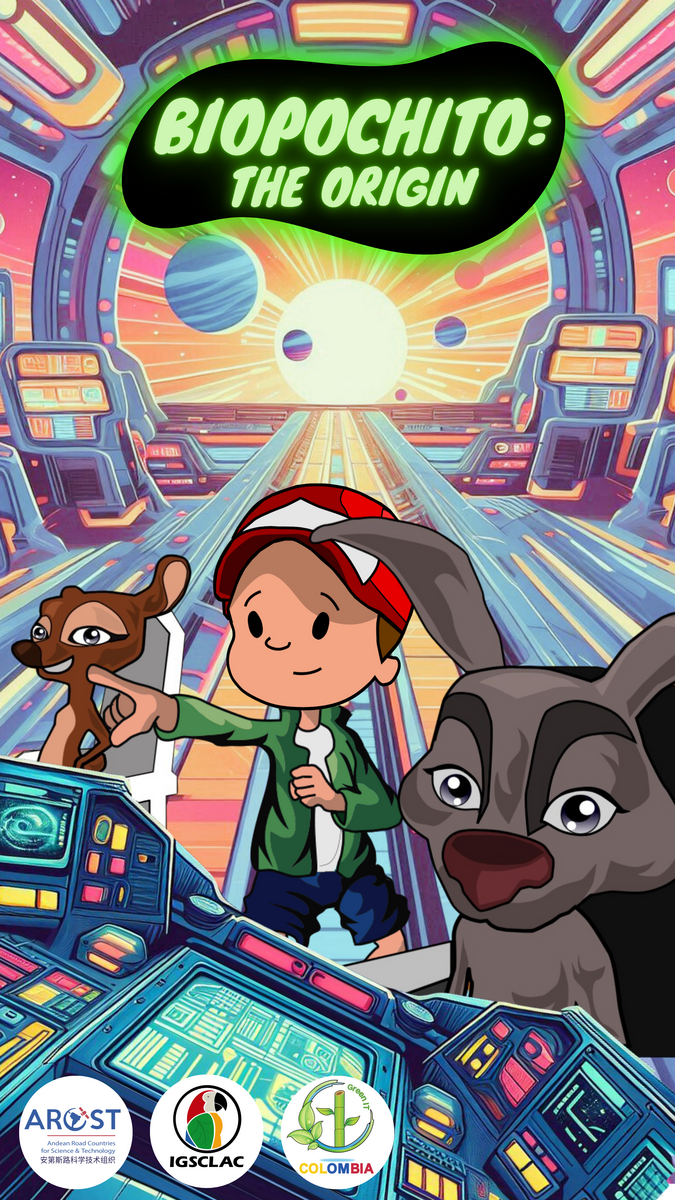
Biopochito: The Origin

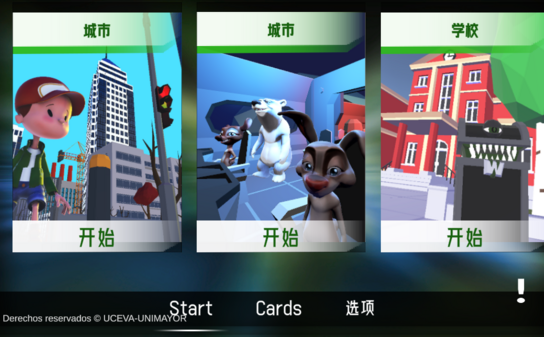
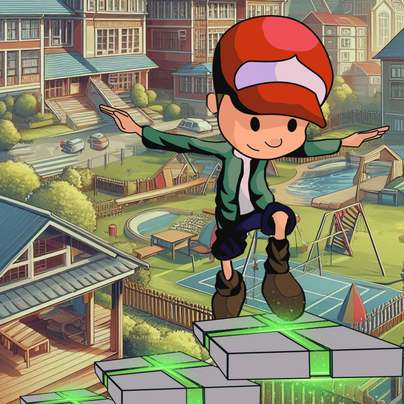
Biopochito: The Origin is an educational video game designed to develop skills in players that they might not easily acquire otherwise, and in a shorter amount of time. It is aimed at a population of children aged between 7 and 14 years. With this game, players are expected to enhance their ability to generate diverse ways of solving the problems they encounter across different scenarios and cases.

Electronic game

Its aim is to transform learning into a fun, exciting, and dynamic game, allowing the player to absorb and retain information almost automatically.

Each player will be the protagonist of a story set on an urban map, where their efforts, based on their decisions, will earn them rewards such as lives and bonuses to keep playing. This approach will sustain their interest in continued learning.

Playing Biopochito: The Origin, entertainment and learning are guaranteed without creating any risk for the child.

Each player will need to develop a game strategy, repeat it, and learn from it as they progress through levels and increasing complexity.

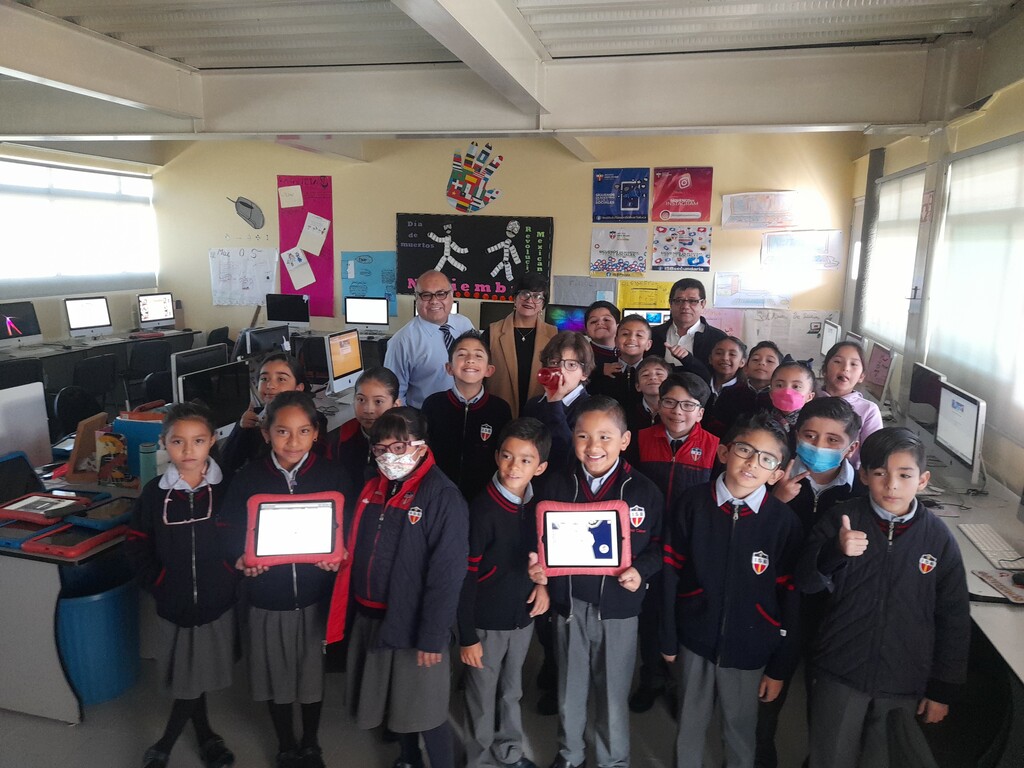
Biopochito: The Origin is a project structured around five stages: Initiation, Planning, Execution, Monitoring and Control, and Closure. The Execution stage will be carried out in educational institutions across various cities in the countries partnering in this initiative and expressing interest in participating.

VIDEO GAME IMPLEMENTATION SCHEME

It is conducted in each participating educational institution.

01. Call for applications

Presentation of the project to various educational institutions (I.E.), inviting them to participate.

02. Linkage

Each educational institution interested in the project sends a letter of intent to participate.

03.Diagnosis

In each educational institution, a diagnosis is conducted on the selected population through a survey on environmental topics.

04. Training

Teachers from the educational institutions are trained for the implementation of the video game.

05. Implementation

In the educational institutions, each child can play and learn about the care of ecosystems.

06.Results analysis

The information obtained from the implementation is analyzed and compared with the diagnosis.

07. Monitoring and evaluation

Follow-up is conducted on the improvement plans submitted by each educational institution.

Objectives of the EGSG

Promote the Construction of a Science Culture in Latin America and the Caribbean.

Publish the research results derived from the implementation, comparing and contrasting outcomes between different countries.

Encourage the understanding of climate change, biodiversity conservation, and green development among elementary, middle, and high school students.

Involve young students in action against climate change, biodiversity conservation, and green development.

Evaluate the effect of the educational game on young students in different countries where the game is implemented.

Link this project to the universities that are part of the International Network of Green Science Academies (IGSAN).

China

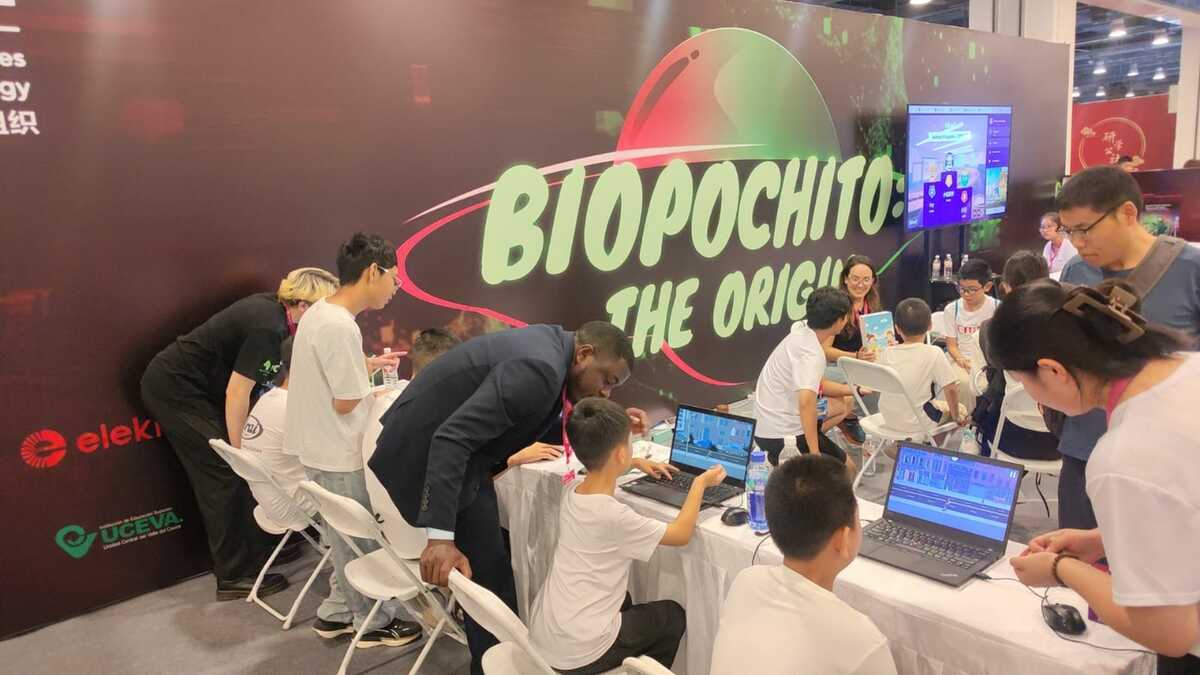
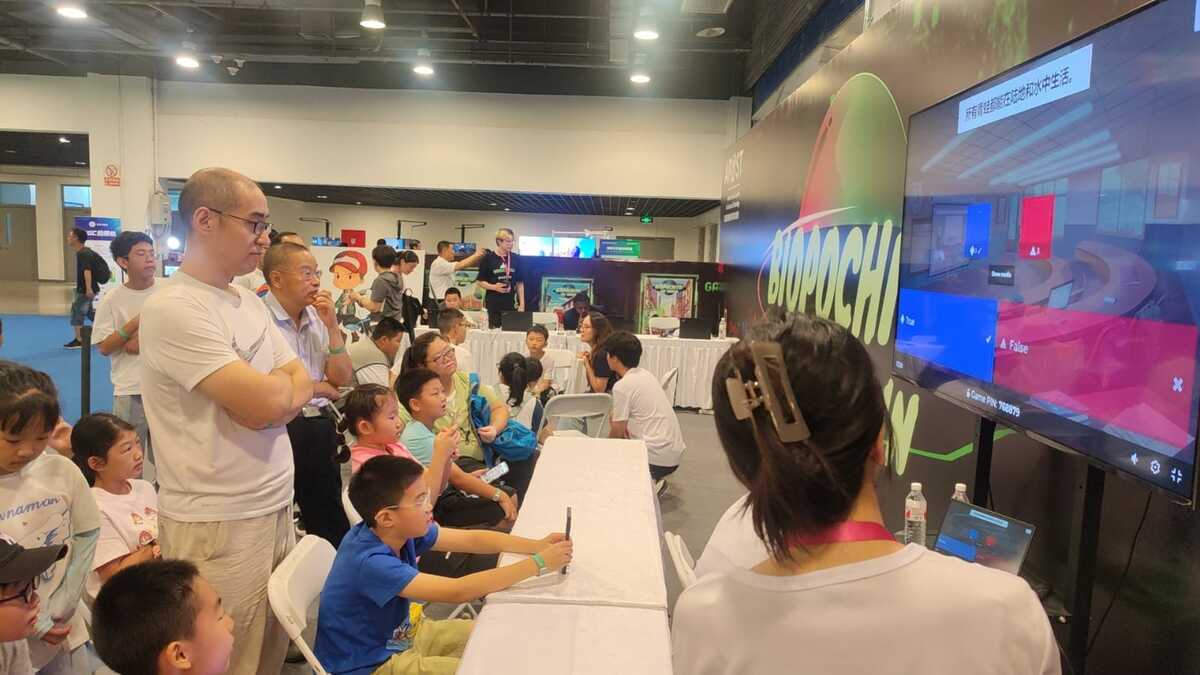
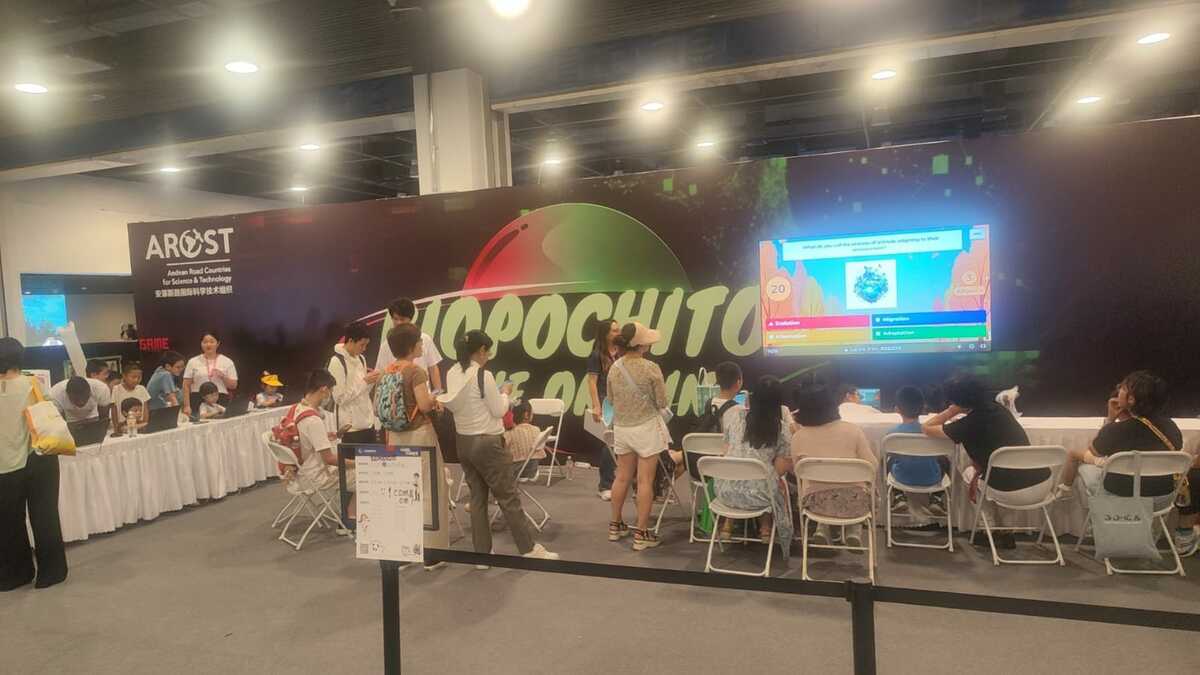
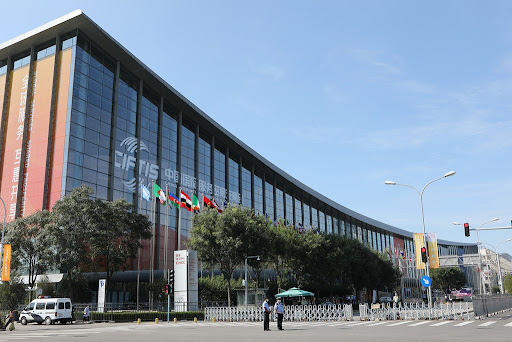
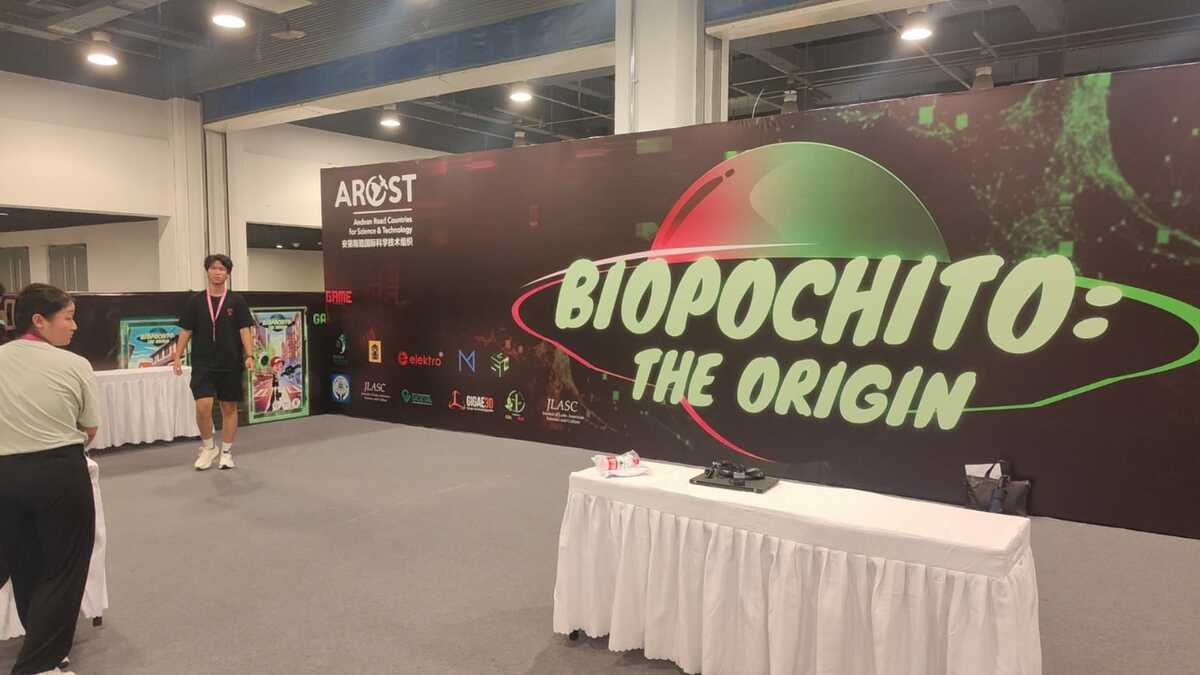
Biopochito was presented at the prestigious Beijing International Science Festival, held from August 8 to 11, 2024, at the National Convention Center in Beijing. This event brought together scientists, innovators, and experts from around the world, with *Biopochito* being one of the highlighted projects for its innovative approach to raising awareness about climate change, captivating the attention of the international audience.

Collaborating team

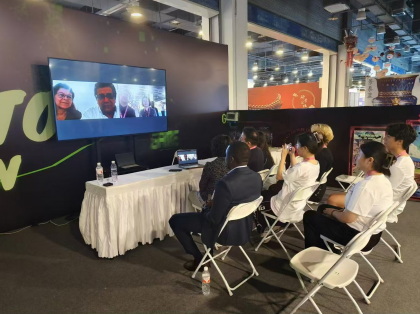
The event was supported by our team of volunteers, trainers, and technical staff, who ensured the smooth execution of both games.


This team played a crucial role in guiding the children during the games, as well as in preparing them, translating the content, and facilitating interviews and evaluations. ARCST's participation in this festival reflects our deep concern for the future of the planet and reaffirms our commitment to promoting scientific culture, science literacy, and the dissemination of knowledge.

BIOPOCHITO 

It is the result of a prominent international collaboration among several institutions, including ARCST, Unidad Central del Valle del Cauca, the GIGA 3D Research Group, the Colegio Mayor del Cauca University Institution, the R&D in Computer Science Research Group, the International Green Science Center for Latin America and the Caribbean (IGSCLAC), the International Green Science Network (IGSAN), the Journal of Latin American Sciences and Culture (JLASC), the Center for Innovation in Science and Technology for Latin America and the Caribbean (CICITLAC), and Elektro High Tech Co., Ltd.

Approximate Number of Children Interviewed

As a complement to the Biopochito experience, members of ARCST took the opportunity to interview some of the children who achieved the highest scores and showed a deep passion for the game to learn about their experiences. The response was overwhelmingly positive; the children were so captivated by Biopochito that some even stayed with us for several hours, immersed in the game while their families explored other parts of the science festival. This kind of enthusiastic reception is truly inspiring and serves as the best motivation to continue bringing Green Science to more children.


The interviews revealed that the children not only enjoyed playing *Biopochito* but also grasped key environmental concepts. Many of the interviewed participants were able to recall specific lessons, such as the importance of biodiversity and conservation, reflecting the effectiveness of the games in conveying educational content. A recurring theme was that the visual and interactive nature of the games made learning fun and memorable. Approximately 15 children were interviewed. The interviews were conducted to gather qualitative information about their experiences with the games and their understanding of the environmental topics addressed.
Why Are We Using a Game to Teach Children?

This interactive learning platform is designed to enhance educational experiences through game-based assessments. It functions as a cloud-based application that allows users to create, share, and participate in quizzes, surveys, and real-time discussions. The architecture supports multiple simultaneous users, making it suitable for classrooms, corporate training sessions, and social gatherings, thereby promoting collaborative learning.

Interface

Essentially, the platform features an easy-to-use interface that allows educators and facilitators to design customized quizzes, referred to as "games," using various question formats, including multiple-choice, true/false, and open-ended questions.


The responsive design ensures compatibility across a variety of devices, such as smartphones, tablets, and computers, enhancing accessibility for all participants.